Panther Brewery started, as many good things do, with a love of good beer and the idea that maybe – just maybe – it could be done properly.
In 2010, after years of home brewing and refining recipes, Martin James decided to take the leap and start his own microbrewery in Reepham. The name came from local tales of big cat sightings in the area – stories that felt too good to ignore and gave the brewery a name that was distinctively local from the very beginning.
But Panther wasn’t built entirely from scratch. The old Reepham Brewery site on Collers way became its home; a site already steeped in brewing history. Originally established in 1983 by Ted Willems and run with his family, the brewery had built a strong reputation for quality ales, winning awards for the beer like the Rapier bitter. When it closed its doors in December 2009, it marked the end of an era and leaving behind a fully equipped but silent brewery.
Just over a year later, following redundancy, Martin saw an opportunity. Having brewed as a hobby for more than 30 years, he made the bold decision to turn it into a business and new career he was truly passionate about. He took over the Collers Way site, which has sat unused and in need of serious attention, and set about bringing it back to life. After weeks of cleaning, restoring equipment and getting everything operational again, Panther Brewery was born – breathing new life into a much-loved brewing site.
Getting Started
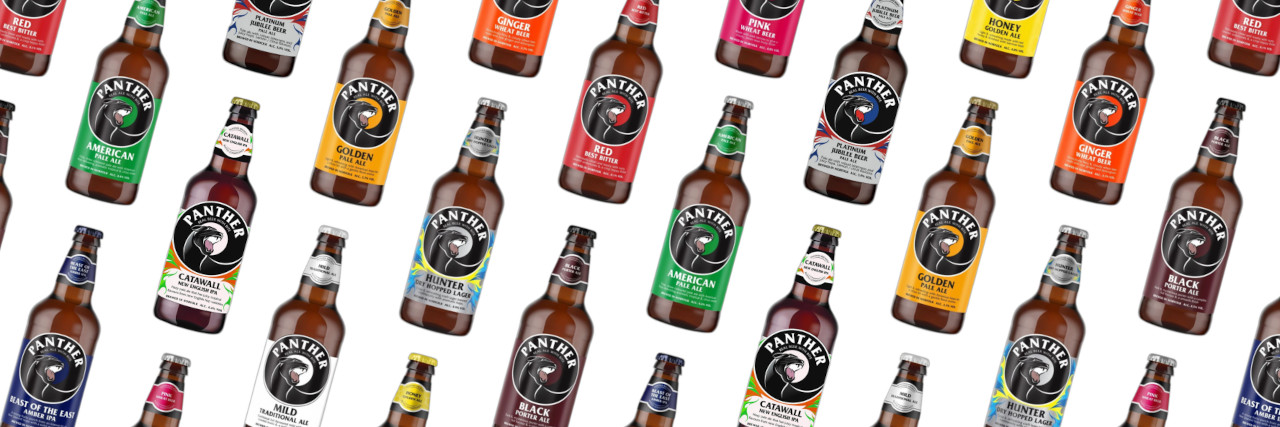
In the early days, Martin was joined by Alex Simpson, whose knowledge of the brewing world and tireless work helped turn early ambition into reality. Together they focused on getting the fundamentals right, launching three core beers – Golden, Red and Black. The thinking was simple: brew beer people genuinely wanted to drink a golden ale, a best bitter and a porter covered the bases and all three quickly found their way into local pubs.
As Panther grew, so did the range. Cub arrived as an easy-drinking table beer, followed by wheat beers Ginger and Pink. The creation of Pink Panther was probably inevitable, and somewhere in the archives there’s photographic evidence of Martin dressed as Inspector Clouseau alongside his wife Diana as the Pink Panther itself – proof that brewing beer should never be taken too seriously.
A growing Team
By 2014, Panther was expanding, and Danny joined to strengthen the link between the brewery and its customers. Around the same time, Mark Cade took on the role of CAMRA Liaison Officer, helping build strong relationships with pubs and the wider real ale community. Many will also know Cheryl Cade, beer sommelier and organiser of the foreign beer section at Norwich Beer Festival – and, more recently, something of a cheese expert, judging by social media evidence.
With more hands on deck came more opportunities to experiment. Honey and Mild joined the range, with the Mild brewed deliberately in the traditional style – lower strength, highly drinkable and true to the character of classic British brewing rather than chasing trends.
Beat of the East Arrives
As tastes evolved, it felt right to introduce something stronger. In true Panther fashion, Martin turned to Twitter for help naming the new beer, and Beast of the East was born. Brewed to 5.5% with fruity New Zealand hops, it quickly became a favourite. When the infamous winter weather later arrived with the same name, many assumed the beer had been inspired by the storm – but actually, Panther had got there first!
Over the years, the brewing team changed as people moved onto new opportunities within the industry, but the focus remained the same: quality beer, brewed consistently. Investment in an automated bottling line marked another big step forward, transforming what Danny affectionately referred to as “the cow’s udders” into a modern, efficient system capable of bottling thousands of beers in an hour – and allowing Panther to support other local breweries through contract bottling too.
Deliveries, Festivals and Panther Characters
No Panther story would be complete without mentioning Martin Clapton, who delivered beer across Norfolk for many years. Known for his dry humour and ability to navigate some of the county’s more challenging cellar entrances, Clappers became part of the extended Panther family. Stories from delivery days remain plentiful – including the famous incident involving a runaway cask heading downhill towards the Sir Garnet, thankfully stopping without incident.
Panther’s beer festivals on Stimpson’s Piece also became something of a local tradition, combining live music, food and plenty of real ale. One festival even saw the temporary disappearance of the Panther mascot, later returned anonymously outside the local police station – a mystery that remains unsolved to this day.
Fifteen Minutes of Fame
In 2017, Panther found itself unexpectedly in front of the cameras when the BBC came calling to film an episode of Mortimer & Whitehouse: Gone Fishing. What initially sounded like a small filming opportunity turned out to involve comedy legends Paul Whitehouse and Bob Mortimer, news that Danny famously received only after filming had finished, much to his disappointment.
The programme brought welcome attention to the brewery and remains a proud moment in Panther’s history.
The Spirit of Panther
Over the years, the team evolved, with Pual Ashmore joining and becoming an important part of brewing operations. Through growth, challenges and changing times, Panther Brewery has remained what it always set out to be – a local brewery making honest beer for people who enjoy it.
From early brew days to beer festivals, from hand-filled bottles to automated lines, Panther has always been shaped by the people behind it and the community around it.
As the brewery continues into its next chapter, Martin’s legacy remains: great beer, good people, and never forgetting that beer is meant to be enjoyed.